PARKER PD260 Port Diagnostic Couplings
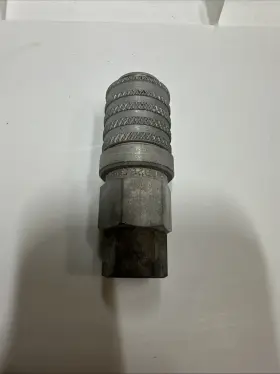
( Brand: Parker ), ( Manufacturer Part Number: PD260 ), ( Part Type: Diagnostic ), ( Warranty: 1 Year ), ( Vehicle Type: Passenger Vehicle ), ( Obd Interface: Obd ), ( Country/region Of Manufacture: China )
Review PARKER Test Port And Diagnostic Equipment Quick Couplings
Introducing the Parker PD260 Port Diagnostic Couplings, a game-changer in the realm of fluid power connections. Designed with advanced technology and precision engineering, these couplings offer unparalleled diagnostic capabilities, making them an invaluable addition to any hydraulic system.
The PD260 Port Diagnostic Couplings are available in a variety of sizes, ranging from 1/4" to 1", ensuring compatibility with numerous industrial applications. These couplings boast a rugged and durable design, featuring a robust, one-piece body made of high-strength materials. The body is further reinforced with an internal baffle, providing additional structural support and preventing fluid leakage.
One of the most notable features of the PD260 Port Diagnostic Couplings is their innovative diagnostic capabilities. Equipped with an integrated pressure sensor, these couplings allow real-time monitoring of hydraulic system pressure levels, enabling users to quickly identify and address potential issues. The diagnostic data can be easily accessed via a Bluetooth connection using the Parker iCondense app, offering a user-friendly interface for interpreting and responding to system information.
The PD260 Port Diagnostic Couplings also boast a quick-connect design, ensuring efficient installation and disconnection processes. The coupling's innovative tapered seal technology minimizes the risk of leakage, even during high-pressure and high-flow applications. Additionally, the couplings feature a self-aligning design, accommodating misalignments and ensuring a secure connection between components.
In summary, the Parker PD260 Port Diagnostic Couplings are a reliable and advanced solution for hydraulic system connections. Their rugged design, innovative diagnostic capabilities, quick-connect functionality, and self-aligning features make them an indispensable tool for maintenance professionals and industrial applications alike. With the ability to monitor system pressure levels in real-time and identify potential issues before they become major problems, these couplings help streamline maintenance processes, reduce downtime, and ultimately, enhance overall system performance.
Parker PD260 Port Diagnostic Couplings are a type of fluid connector designed for use in various industrial applications. These couplings offer several advantages, but they also come with some potential drawbacks.
Advantages of Parker PD260 Port Diagnostic Couplings:1. Improved Diagnostic Capabilities: The primary feature of Parker PD260 Port Diagnostic Couplings is their ability to provide real-time diagnostic information about the connected fluid system. This feature can help in early identification and prevention of potential failures, reducing downtime and maintenance costs.
2. Easy Installation and Disconnection: These couplings are designed for quick and easy installation and disconnection, which can save time and labor costs in industrial applications. They also offer a secure connection, reducing the risk of leaks.
3. Compatibility: Parker PD260 Port Diagnostic Couplings are compatible with a wide range of industrial fluid systems, making them a versatile solution for various applications.
Disadvantages of Parker PD260 Port Diagnostic Couplings:1. Cost: The diagnostic capabilities and advanced features of Parker PD260 Port Diagnostic Couplings come with a higher price tag compared to traditional fluid connectors. This may not be a viable option for smaller businesses or applications with limited budgets.
2. Complexity: The added diagnostic capabilities and features of these couplings may require additional training and expertise to operate effectively. This can add to the overall cost and complexity of the fluid system.
Conclusion:Parker PD260 Port Diagnostic Couplings offer several advantages, including improved diagnostic capabilities, easy installation and disconnection, and compatibility with a wide range of industrial fluid systems. However, they also come with some potential drawbacks, such as a higher cost and increased complexity.
For applications where real-time diagnostic information and quick connection/disconnection are crucial, these couplings can provide significant value. However, for smaller applications or those with limited budgets, traditional fluid connectors may be a more cost-effective option.
Recommendation:If your industrial application requires real-time diagnostic information and quick connection/disconnection capabilities, Parker PD260 Port Diagnostic Couplings can be a valuable investment. However, if cost is a significant concern, traditional fluid connectors may be a more suitable option. It's important to carefully consider the specific requirements and budget of your application before making a decision.
Details:
PD Couplets allow test instruments, gauges, transducers, and flow sensors to be quickly easily connected system points.
part #: pd260 price
- $47.95
specifications diagitools:
- brand: Parker
- mpn: Pd260
- part type: Diagnostic
- warranty: 1 Year
- vehicle type: Passenger Vehicle
- obd interface: Obd
- country/region of manufacture: China
offer diagitools:
- started: September 29, 2025
- availability: In Stock
- best offers: True
- quantity: 6
- sold: 0
- options: Ship-to-home
payments diagitools:
- other
- wallet: Paypal
- credit card: Discover
seller diagitools:
- rating: 100.0%
- city: Saluda, North Carolina
- # reviews: 143
shipping diagitools:
- cost: $7.57
- carrier: USPS
- service: USPS Ground Advantage
- transit: 3-8 Days
- type: Calculated
- class: Standard
general diagitools:
- condition: New other see details
- Automotive Tools Supplies > Diagnostic Service Tools > Other Diagnostic Service Tools
returns diagitools:
- policy: No Returns
Parker PD260 Is Similar To:
- Ra-auto Raqp585 Adap-cat Hydraulic Pressure Test Coupling Kit For Parker Pd Series Coupler (25.8% similar) Compatible with diagnostic equipment. Package included. Satisfaction guarantee. Application. Fits for USA brand excavator, many diesel trucks fuel pressure testing, etc. Adapt-cat hydraulic pressure test coupling kit for pd series couplet, USA most...(April 17th, 2025)
- Parker Hannifin 73800634 Measuring Equipment (36.7% similar) Engineered using the latest technology to ensure product lasts longer in service. Engineered with a factory-like design for effortless installation, ensuring perfect match your vehicle. Manufactured following strict OE standards to work like the original component. Made of high...(November 6th, 2025)
